

Introduction
High-Density Polyethylene (HDPE) pipes are revolutionizing
the way we manage water, gas, and other fluid transportation systems. Their
durability, flexibility, and resistance to corrosion have made them a top
choice for a wide range of applications. This comprehensive blog explores the
world of HDPE pipes, from their composition and manufacturing process to their
numerous applications, environmental impact, and advantages.
What is HDPE?
HDPE stands for High-Density Polyethylene. It is a
thermoplastic made from petroleum and is characterized by its high
strength-to-density ratio. This versatile material is created through a
polymerization process that produces a strong, flexible, and resilient product.
Manufacturing Process
HDPE pipes are typically manufactured using two methods :
· Extrusion : In this process, HDPE granules are melted and then pushed through a die to create a pipe of the desired size and thickness. This method is cost-effective and commonly used for producing a variety of HDPE pipe types.
Injection Molding : For specialized applications, HDPE pipes are created using injection molding. This process is more precise and is suitable for producing complex shapes and fittings.
Advantages of HDPE Pipes
·
Durability :
HDPE pipes have a long service life due to their resistance to corrosion,
chemicals, and abrasion. They can withstand harsh environmental conditions.
·
Lightweight :
HDPE pipes are relatively lightweight, making them easier to transport and
install compared to traditional materials like steel.
·
Flexibility :
The flexibility of HDPE pipes allows them to bend without breaking, making them
ideal for applications that require some degree of flexibility.
·
Leak-Proof Joints : HDPE pipes can be joined using heat fusion, which creates leak-proof
joints. This eliminates the need for gaskets or other sealing materials.
·
Chemical Resistance : HDPE is resistant to a wide range of chemicals, making it suitable for
applications where transported fluids might be corrosive.
· Low Maintenance : Once installed, HDPE pipes require minimal maintenance, which lowers the life-cycle cost.
Applications of HDPE Pipes
HDPE pipes find applications in various industries and
sectors :
·
Water Supply :
HDPE pipes are widely used for the transportation of potable water in municipal
and industrial settings due to their corrosion resistance and leak-free joints.
·
Sewer and Drainage Systems : They are used for sewage and stormwater conveyance, as well
as for culverts and drainage systems in infrastructure projects.
·
Gas Distribution : HDPE pipes are employed for distributing natural gas due to their
corrosion resistance and excellent fusion joints.
·
Irrigation :
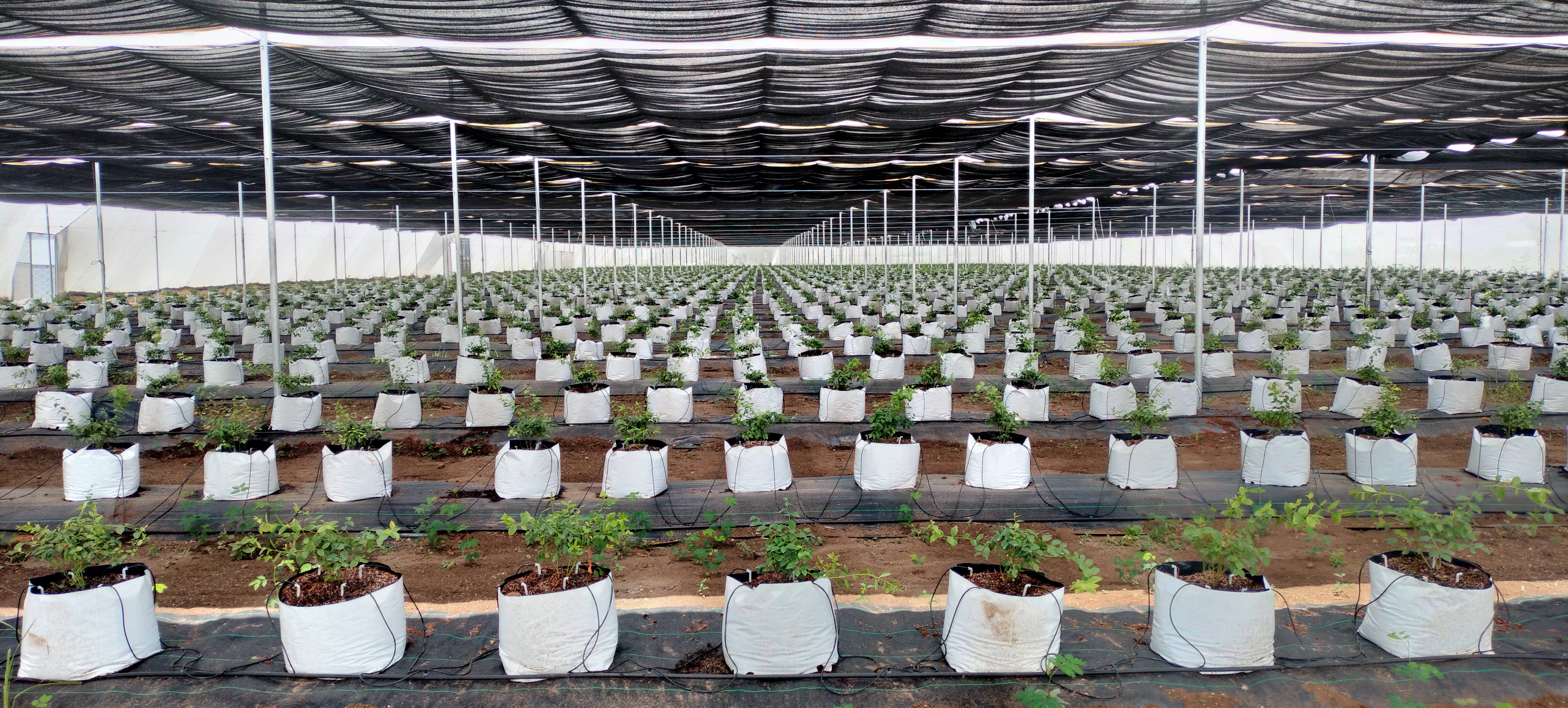
Their durability and resistance to chemicals and UV radiation make them ideal
for agricultural irrigation systems.
·
Mining : HDPE
pipes transport slurries, tailings, and various mining fluids, contributing to
the mining industry's efficiency and safety.
·
Industrial Applications : In industrial processes, HDPE pipes transport chemicals,
acids, and other corrosive materials.
·
Geothermal Systems : Their thermal stability makes HDPE pipes a preferred choice for
geothermal heating and cooling systems.
·
Telecommunication Conduits : HDPE pipes protect and house underground telecommunication
cables, ensuring their safety and longevity.
·
Environmental Applications : HDPE pipes are instrumental in environmental protection
projects, including landfill liners and leachate collection systems, preventing
contamination of soil and groundwater.
Environmental Impact
One of the remarkable features of HDPE pipes is their
environmental sustainability :
·
Recyclability :
HDPE pipes can be recycled, reducing waste and conserving resources. Recycled
HDPE material can be used to manufacture new pipes.
·
Reduced Carbon Footprint : HDPE pipes have a lower carbon footprint compared to
materials like concrete and steel, as their production process is less
energy-intensive.
·
Leak Prevention : Their leak-proof joints minimize the loss of precious resources, such as
water or natural gas, contributing to conservation efforts.
·
Longevity :
HDPE pipes' long service life means less frequent replacements, reducing the
environmental impact of manufacturing and disposal.
Conclusion
HDPE pipes are versatile and sustainable solutions for a wide range of applications. Their durability, flexibility, chemical resistance, and recyclability make them an excellent choice for modern infrastructure and environmental projects. As the demand for efficient and eco-friendly materials continues to grow, HDPE pipes are set to play a pivotal role in shaping a more sustainable future.